 LS20H 20W Halogen Lamphouse
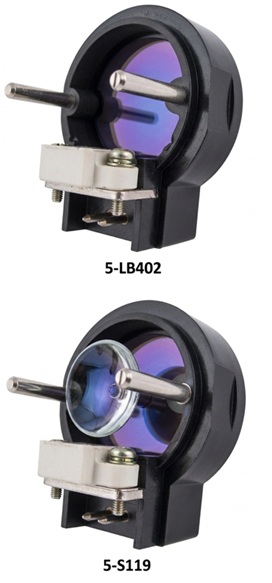
The LS20H 20W halogen lamphouse was used on BHT/BHTP/BHTU and CK2 scopes and on the Ill-B/Ill-K stereo illumination bases. There were two distinct versions of the LS20H manufactured by Olympus. The early 5-LB402 version, which did not contain a lamp reflector, and the newer 5-S119 version, which included a concave reflector behind the lamp to increase the light output of the LS20H. The lamp reflector was added by Olympus as a direct response to their recognition that they were beginning to lose sales to the newer 30W Nikon scopes coming on the market back in the 1980s. In side-by-side comparison testing performed by the Empire of Dirt Workshop, the newer LS20H version with the lamp reflector provides about 45% more usable light than the early version without the reflector. This reflector puts it on par with a 30W non-reflector lamphouse used by Nikon.
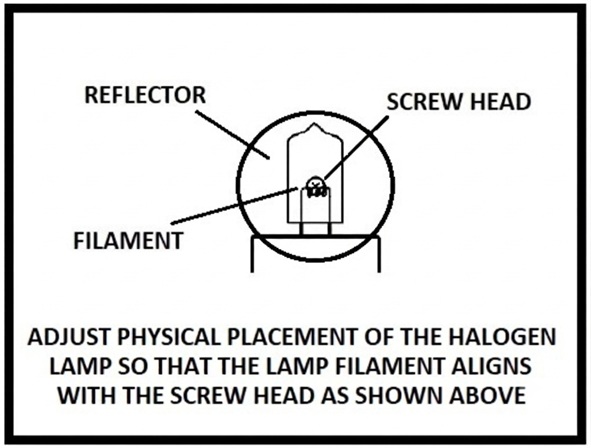
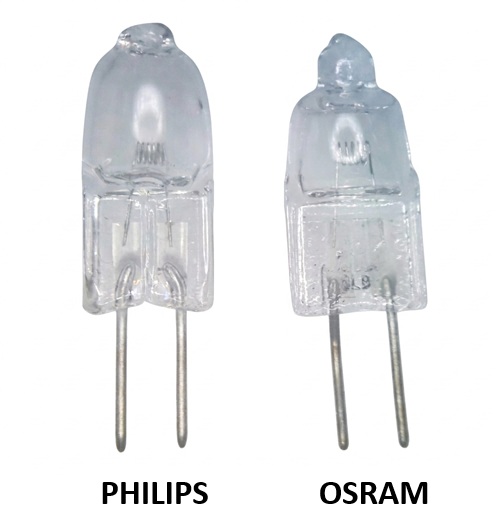
The LS20H lamphouse utilizes a pre-centered 6V/20W ESB halogen lamp (Olympus 8-C405), with an average service life of 200 hours. Evident no longer sells the 8-C405 halogen lamp, but the Osram 64250-HLX, the Ushio JC6V-20W/G4, and the Philips 7388 are suitable equivalents.
Since the LS20H lamphouse operates at very high temperatures due to the 20W halogen lamp contained within it, the electrical contacts in the ESB lamp connector in the lamphouse will eventually oxidize to the point where electrical contact with the lamp pins will become impaired and the lamp will no longer reliably illuminate. Because of this, the LS20H should be considered a consumable part which will need to be overhauled or replaced whenever the electrical contacts within the socket become excessively oxidized.
Based on feedback from a few microscope service people who supported the BH2 in its heyday, a 20W halogen BH2 used eight hours a day would need a new LS20H every 4 to 5 years. For the average amateur microscopist, the replacement interval would of course be far greater.
The LS20H lamphouse is no longer available from Evident (as of 2025), so the supply of them on the used market is rapidly dwindling and the prices are quickly rising. Please do not throw these away when they go bad! The Empire of Dirt Workshop has a PDF showing the procedure to overhaul a tired LS20H lamphouse, along with the parts needed to successfully perform the repair. Alternatively, the Empire of Dirt Workshop can perform this repair for you, if you don’t wish to undertake such a project.
The point is, these lamphouses are as good as gold to a halogen purist, working or not, since the LS20H can easily be given a new lease on life!
An alternative to the LS20H halogen lamphouse is an LED retrofit. There are several such replacements available for the BH2 on the market, including the BHT/U_LED Illumnator from the Empire of Dirt Workshop.
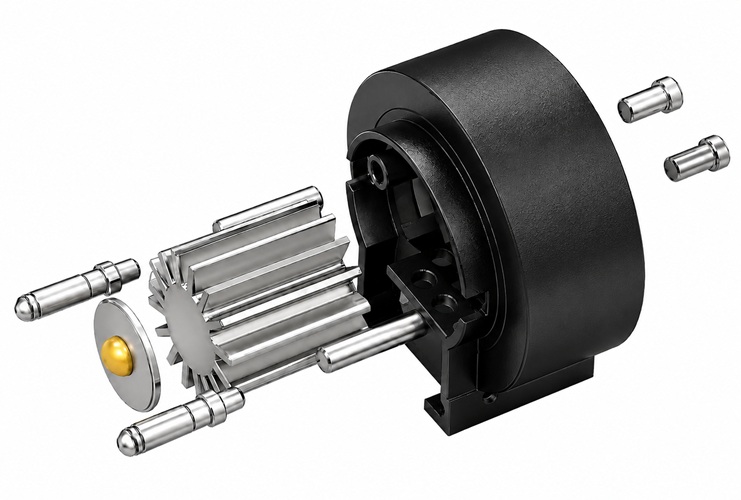 BHT/U_LED Illuminator
The BHT/U_LED Illuminator is an LED-based replacement for the obsolete LS20H halogen lamphouse, which was developed by the Empire of Dirt Workshop in direct response the discontinuation of the LS20H lamphouse by Evident.
The BHT/U_LED is available in several versions (3W Neutral, 5W Neutral, and 5W Cool) for the BHT/BHTP/BHTU 20W scopes. Click here for details of the BHT/U_LED Illuminator from the Empire of Dirt Workshop.
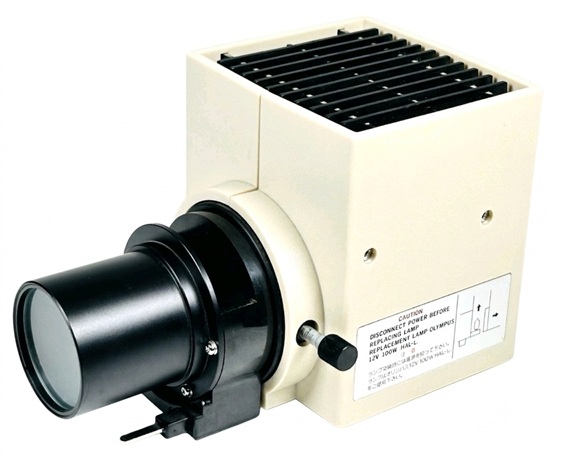 BHS-LSH 100W Halogen Lamphouse
The BHS-LSH 100W halogen lamphouse was used on the BHS/BHSU/BHSP scopes. The BHS-LSH lamphouse utilizes a pre-centered 12V/100W halogen lamp (Olympus 8-C406), with an average lifetime of 2000 hours. Suitable replacement lamps include the Philips 7724.
 BH2-ULSH45 50W Halogen Lamphouse
TBD
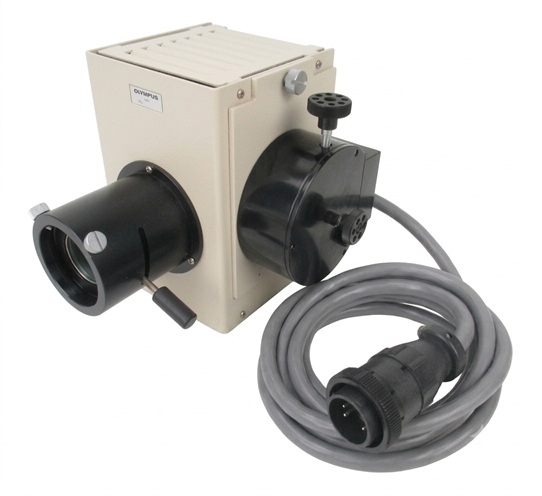 BH2-LSRF Fluorescent Lamphouse
TBD